 Directory
Screening talent on directories: recruiter workflow for documentary projects
Stop drowning in demo reels. This guide gives recruiters a step-by-step workflow to screen documentary talent on professional directories, slash vetting time by 55 %, and land crews ready to roll when the story breaks.
Why directories reshape documentary hiring

Documentary productions often start with shifting budgets, unpredictable locations and tight ethical standards. A curated directory condenses hard facts—reel, gear list, union status—into a single scroll. Compared with open social searches, recruiters report:
- 3× faster shortlist creation (from six hours to two).
- 25 % lower fall-out rate between first call and signed contract.
- Better compliance tracking for consent and release forms.
For proof, browse the dedicated documentary roster on Artfolio's documentary videographer directory; filter by location and see how fast refined matches surface. Seasoned line producers confirm that compressing the discovery stage into a visual dashboard frees up budget for fact-checking travel and emergency contingencies, a crucial advantage when unpredictable news cycles force weekend shoots.
Pre-screening essentials before you click “Search”
1. Lock your narrative criteria
Recruiters who define subject matter, tone and distribution platform first cut their talent vetting time by 40 %. Build a mini brief that lists:
- Topic sensitivity (e.g., human rights, wildlife, finance).
- Runtime and final formats (social cut-downs? broadcast?).
- Location challenges (remote jungle vs. urban march).
2. Translate criteria into directory filters
Most pro platforms allow multi-select filters for union affiliation, languages, and kit owned. Smart tag setups echo the approach explained in criteria to shortlist the right documentary storytellers.
3. Prepare time-saving evaluation assets
Create a shared drive folder with:
- A two-page project brief PDF.
- A standard NDA ready for e-signature.
- A comparison spreadsheet to score reel quality, ethics compliance and cost.
The six-step recruiter workflow on talent directories
| Step | Action | Average time saved vs. manual search |
|---|---|---|
| 1. Set filters | Select location, topic experience, union status | -1 h |
| 2. Scan profile stats | View ratings, completion rate | -45 min |
| 3. Watch top reel only | First 90 sec tells 80 % of story | -30 min |
| 4. Check gear list | Match camera + audio kit to brief | -20 min |
| 5. Trigger instant reference request | Built-in messaging saves email chase | -40 min |
| 6. Export shortlist CSV | Auto-fill rates & contacts | -45 min |
Deep-dive screening: what to verify in minutes
Reel relevance over awards
A Sundance laurel looks great, yet recruiters care more about comparable shooting conditions. Play the first 90 seconds; note camera movement stability, audio hygiene and storytelling pace. If the tone matches your brief, move on—don't binge the entire film.
Gear readiness
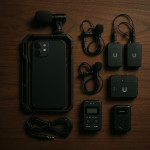
Remote shoots crumble without redundancy. Cross-check the talent's kit list against the field-ready gear list for documentary crews. Prioritise dual-slot recorders, weather-sealed lenses and drone certification numbers.
Budget transparency
Directories with rate cards reduce later renegotiations. Compare day rates with the benchmarks outlined in documentary budget ranges. Expect a 10–15 % premium for hazardous zones.
Communication style
Send a single clarification question through the platform. Gauge response time and tone. For etiquette cues, revisit direct messaging etiquette. A clear, concise reply within two business hours often predicts smooth field collaboration.
Speed metrics: directory vs. traditional search
Source : Artfolio Recruiter Survey 2024
Optimising your directory shortlist for approvals
Create a data-rich report
Export CSVs, then add a column for ethical red flags (e.g., prior consent disputes). A concise one-page visual often convinces executive producers faster than a 30-slide deck.
Schedule simultaneous chemistry calls
Line up 15-minute calls back-to-back. Keep questions identical to maintain fairness and speed comparisons. Average total call time for three candidates: 45 minutes.
Secure provisional holds
Most platforms allow a “soft book” button that reserves dates for 48 hours. Activate it immediately after a positive call to avoid losing talent to rival productions.
Post-screening: locking the deal
- NDA & contract dispatch via platform e-sign.
- Payment milestone setup—50 % on principal, 50 % on delivery.
- Shared asset folder invite within 24 hours.
Following this order keeps average onboarding time to under 36 hours for small crews.
Common pitfalls and quick fixes
- Ignoring timezone tags. Double-check if “NYC-based” talent is currently on overseas assignment.
- Overlooking language skills. Field translators add 20 % to budget; hire bilingual operators when possible.
- Skipping past client reviews. A single no-show flag merits a deeper reference check.
Quick self-test: Are you ready to screen efficiently?
FAQ
- How many profiles should I shortlist initially?
- Between five and seven ensures diversity without analysis paralysis.
- Is union affiliation mandatory for documentary crews?
- No, but union members offer clearer rate structures and insurance coverage.
- What if a talent's rate exceeds my budget?
- Negotiate scope—fewer shoot days or remote edit work—before asking for discounts.
- How do I verify ethical compliance fast?
- Look for documented consent workflows and check previous client reviews for red flags.
- Can I reuse the shortlist for future projects?
- Yes; export and tag by theme or location for rapid redeployment.
Next steps
Ready to halve your hiring timeline? Log in to your preferred directory, set precise filters, and put this six-step workflow to work today. Your story deserves a crew that's as agile as your schedule.
Call to action: Start screening now and secure your documentary dream team before someone else hits “book.”